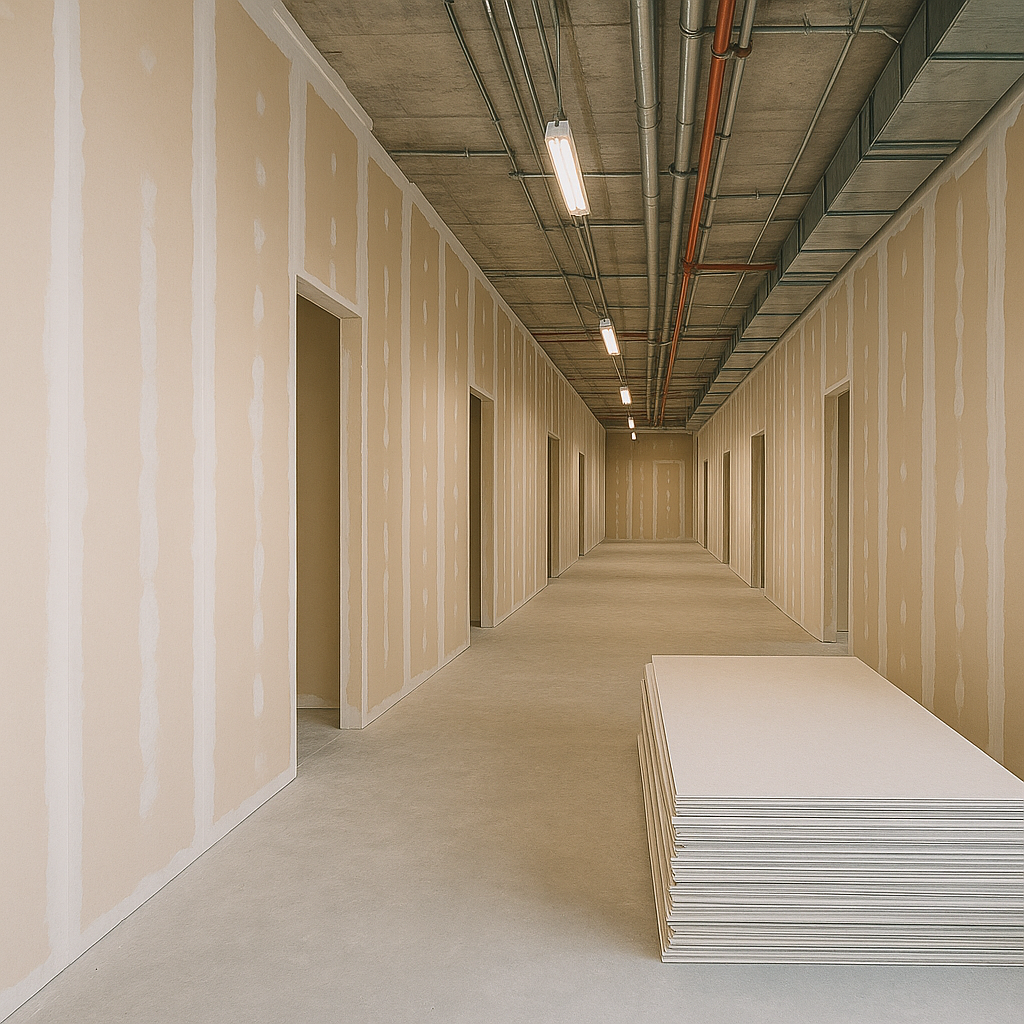
When it comes to precise cost forecasting in complex projects, few elements are more unpredictable than wall height changes. What may seem like a minor design adjustment—an extra foot here or a dropped ceiling there—can cascade into significant budget shifts. This is why understanding and visualizing the cost impact of wall height changes is not just beneficial, but essential for architects, engineers, and general contractors operating in competitive commercial environments.
Wall height plays a pivotal role in determining the overall drywall budget. From material usage and labor requirements to scaffolding, equipment, and even scheduling, a small height adjustment can amplify costs in unexpected ways. Recognizing this early in the design and preconstruction phases allows teams to better align budgets with design intent.
One of the primary advantages of adopting a platform like Active Estimating is its ability to convert complex, dynamic construction data into actionable forecasts. Historical production insights, standard wall classifications, and past project benchmarks are harmonized to visualize how each change affects the overall budget in real-time.
This matters greatly in conceptual estimating and design iteration phases. When a client requests a ceiling elevation adjustment, the estimator can rapidly simulate its financial implications, offering informed feedback instead of ballpark guesses.
Unlike static spreadsheets, integrated visualization tools offer clarity by overlaying quantities and costs onto models. Estimators and designers alike can see which wall areas exceed baseline heights and apply real-time costing overlays, highlighting affected zones. This allows project teams to:
In large-scale projects, such as hospitals or data centers, wall height inconsistencies between design iterations have contributed to multimillion-dollar variances. By utilizing a refined drywall estimating system, estimators have documented measurable improvements:
To maintain financial alignment throughout the project lifecycle, consider the following:
Wall height changes are inevitable, but unanticipated cost shifts don’t have to be. By investing in structured workflows and visualization-backed estimating practices, teams can maintain tighter control of budgets and timelines. The integration of real-time insights transforms estimating from a reactive task into a proactive discipline—helping your team deliver smarter, leaner, and more predictable projects.
Contact Information:
Active Estimating
508 2nd Street, Suite 208
Davis
California
95616
Rich Schoener
richard@activeestimating.com
(877)
Schedule a personalized demo to see how Active Estimating can work for your specific needs.

