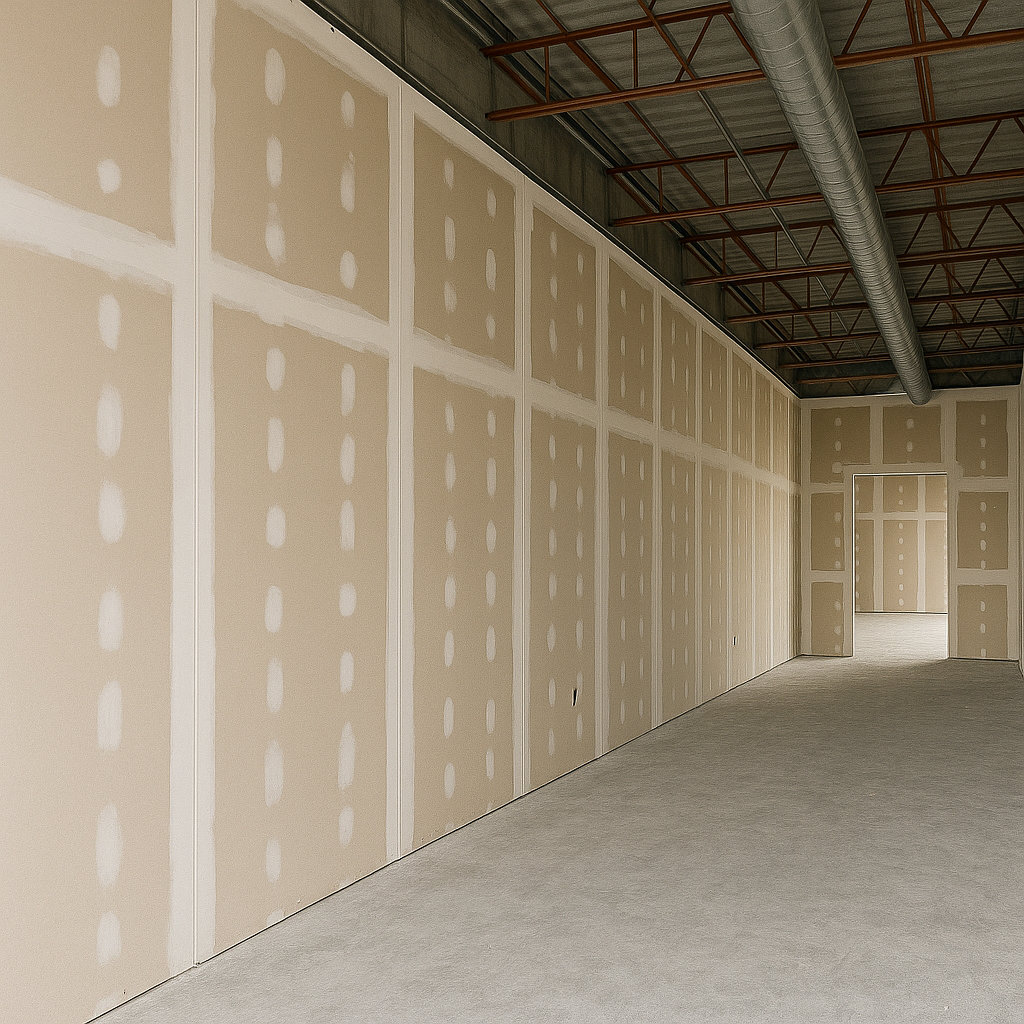
Recent internal analyses reveal that material cost fluctuations, labor shifts, and scope revisions have a substantial cumulative effect on construction budgets. As projects scale in complexity, even minor changes—when aggregated across trades and timelines—can have a significant financial impact. This dynamic underscores the growing importance of precise cost tracking and real-time budgeting tools that adjust with evolving data inputs.
Every adjustment in a construction plan—whether due to material substitution, schedule compression, or design evolution—has budgetary consequences. The cumulative cost of these changes, if not tracked accurately, can erode profit margins or stretch client budgets beyond initial expectations.
With streamlined documentation and responsive cost forecasting, project managers are better equipped to:
By leveraging structured datasets from prior bids and active project inputs, estimating tools now enable construction professionals to model potential budgetary outcomes before decisions are finalized. These models incorporate assumptions such as inflation trajectories, workforce availability, and vendor reliability to simulate impacts ahead of time.
One powerful feature used in Active Estimating’s platform includes side-by-side comparisons of original versus current estimates. This allows managers to assess which trades or materials have historically deviated from expectations—and by how much.
Rather than operating in isolated spreadsheets or static reports, budget data is centralized and dynamically updated. As revisions occur—either due to owner decisions, code changes, or supply delays—the system recalculates projected totals in real time, removing guesswork and reducing financial risk.
Beyond cost, schedule changes also reverberate across budgetary lines. A delay in one trade may lead to premium labor rates or overtime on another. Active Estimating integrates these overlapping timelines and financial dependencies into a singular dashboard to support decision-making across multiple dimensions.
In an industry where every percent counts, understanding the cumulative effect of changes across a project’s lifecycle is no longer optional. Active Estimating continues to refine its data-driven intelligence tools to ensure clients can manage cost certainty—even in times of volatility and unpredictability. The future of budgeting lies not only in accuracy, but in adaptability.
Active Estimating
508 2nd Street, Suite 208
Davis
California
95616
Rich Schoener
richard@activeestimating.com
(877) 982-2848
https://www.activeestimating.com/drywall-estimating-software
https://www.activeestimating.com/media-room
Schedule a personalized demo to see how Active Estimating can work for your specific needs.

